Microaggressions Training Open Course
Live online Microaggressions Training exploring subtle exclusion, stereotypes and assumptions, intention and impact, constructive challenge and inclusive workplace communication.
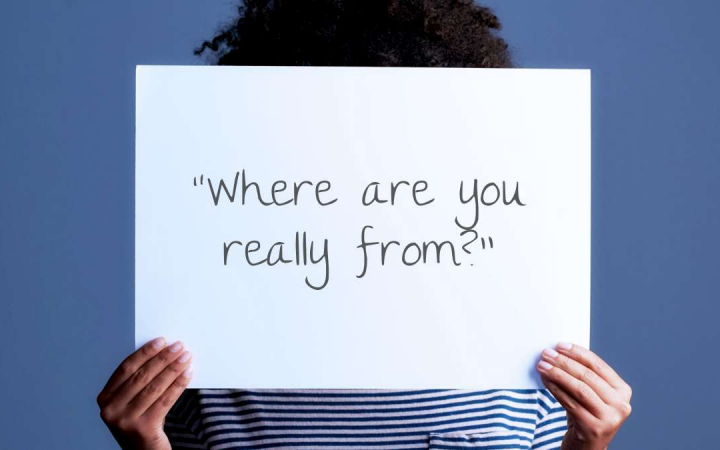
Live online Microaggressions Training exploring subtle exclusion, stereotypes and assumptions, intention and impact, constructive challenge and inclusive workplace communication.
Microaggressions can appear small or insignificant in isolation, but repeated comments, assumptions and behaviours can affect people's confidence, wellbeing and sense of belonging. This practical half-day course helps delegates recognise subtle exclusion, understand intention and impact, challenge assumptions and communicate in ways that support everyday inclusion.
Open courses are public Equality and Diversity UK training dates that anyone can book onto, ideal when you only need training for one or two people.
In‑house courses are private sessions delivered exclusively for a group of people from your organisation, on a date that suits you, with the option to tailor the content to your staff and setting.
Not every experience of exclusion is obvious. Sometimes it is a comment, question, assumption, joke or everyday interaction that leaves somebody feeling that they do not quite belong.
The person responsible may have intended no offence. They may even have believed that they were being friendly, complimentary or showing an interest.
That is one of the reasons microaggressions can be difficult to discuss. This course helps delegates move beyond simply asking whether somebody meant to offend and consider the assumptions being communicated, how behaviour may be experienced by somebody else and what could be done differently.
The term microaggression is commonly used to describe subtle comments, behaviours or interactions that can communicate stereotypes, assumptions, exclusion or bias towards another person or group.
The word “micro” can be misleading. It refers to the nature of the interaction rather than suggesting that its impact must be small.
A single comment may appear insignificant to the person making it. For somebody who repeatedly encounters similar assumptions about their identity, competence, background or belonging, the cumulative experience can be very different.
Microaggressions can be connected with race, sex, disability, age, sexual orientation, religion or belief, gender reassignment and other aspects of identity or difference.
Not every awkward, insensitive or poorly judged comment is necessarily unlawful discrimination. Depending on the circumstances, however, workplace behaviour may raise issues under equality law or an organisation's own dignity, inclusion, bullying or harassment policies.
One of the central themes of the course is the difference between intention and impact.
A person can have positive intentions and still communicate an assumption that somebody else experiences as excluding, stereotyping or undermining.
Equally, immediately labelling somebody as prejudiced because they have used the wrong words can make constructive conversation and learning more difficult.
Delegates explore how to listen, reflect and respond constructively when intention and impact are different.
During this interactive half-day course, delegates explore:
By the end of the course, delegates should be better able to:
This is a live, interactive half-day training course designed for individual delegates who want to develop their understanding of microaggressions and inclusive workplace communication.
The Open Course is delivered live online via Zoom.
10.00 am to 1.00 pm
£295 per delegate
If several colleagues need Microaggressions Training, an in-house session may be more suitable and cost-effective.
Our in-house course can be tailored to your organisation, workforce and priorities and delivered online or face to face.
Over 25 years' experience delivering equality, diversity and inclusion training, consultancy and professional development.
Enter your email address and we'll send full details.